 Skip to the content
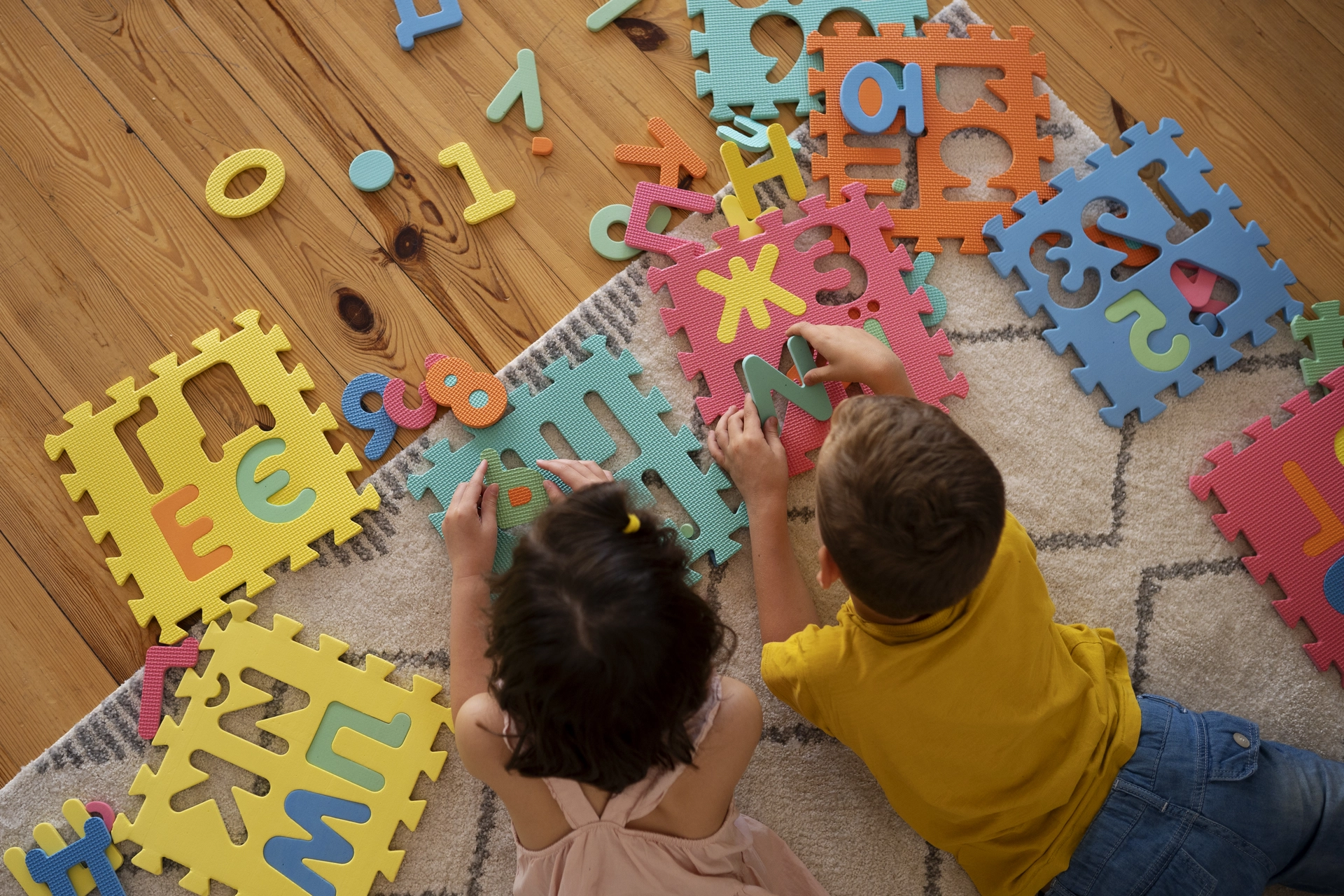
5 Reasons Why Montessori Education Leads to Huge Success
In the bustling city of Wah, Pakistan, parents face an overwhelming array of educational choices for their young children. Among these options, Montessori education stands out as a time-tested approach that has transformed early childhood learning worldwide. At Greenfield Public School System, we’ve witnessed firsthand how this revolutionary method shapes children from their very first classroom experience through Class 10th and beyond.
Developed by Dr. Maria Montessori over a century ago, this child-centered educational philosophy has proven remarkably effective across cultures and generations. But what makes Montessori education so special? Why do children who experience this approach often demonstrate superior academic performance, emotional intelligence, and adaptability throughout their lives?
We’ll explore five compelling reasons why Montessori education provides the strongest possible foundation for your child’s future success. Whether you’re a parent in Wah considering Montessori for your toddler or researching educational philosophies, understanding these benefits will help you make an informed decision about your child’s formative years.
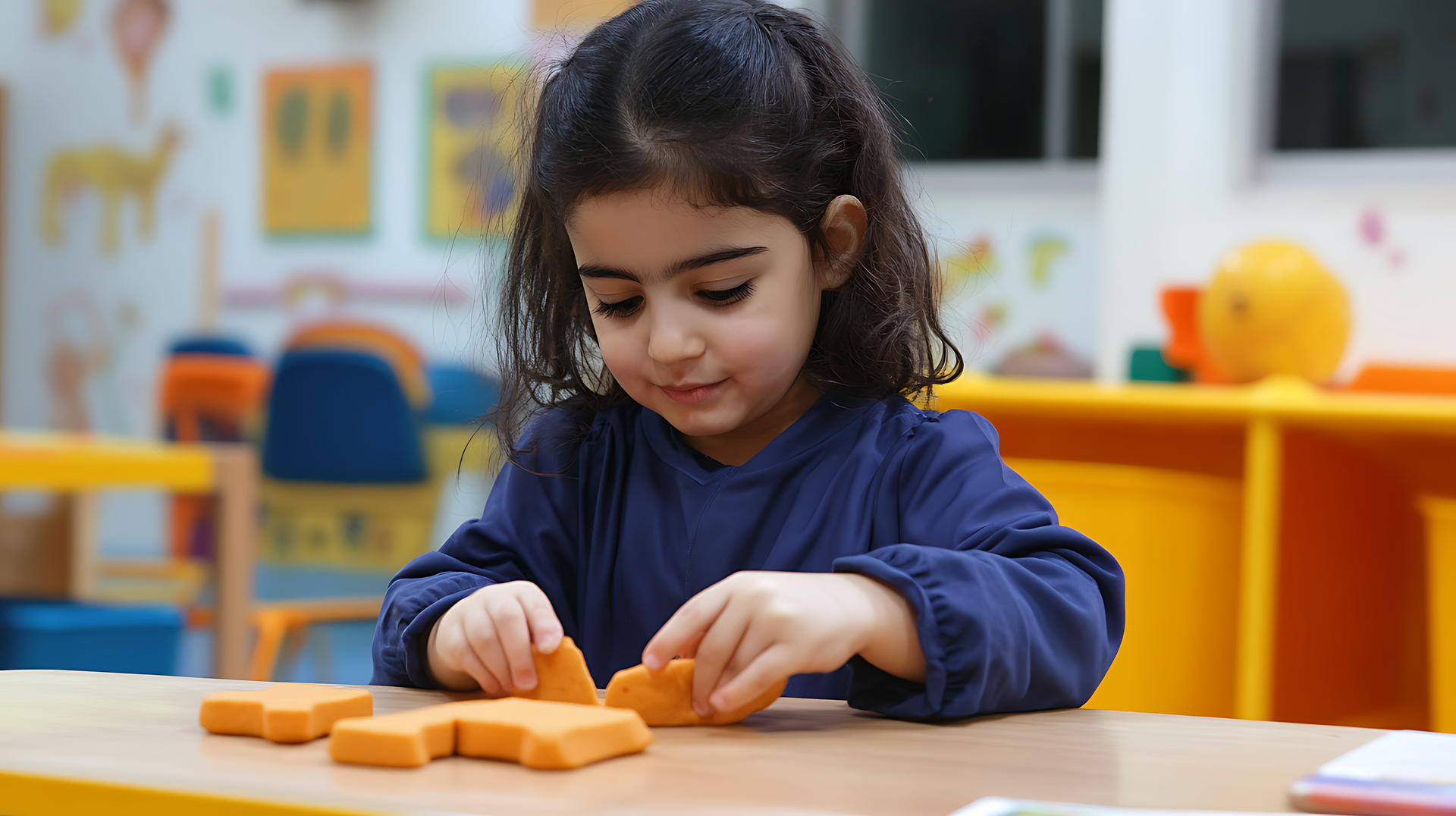
1. Fostering Independence and Self-Direction from Day One
One of the most distinctive features of Montessori education is its unwavering commitment to child-led learning. Unlike traditional classrooms where teachers direct every activity, Montessori environments are designed to encourage children to make choices about their learning journey.
The Prepared Environment
In a Montessori classroom at Greenfield Public School, you’ll notice something remarkable immediately: everything is child-sized and accessible. Low shelves hold carefully curated materials that invite exploration. Children move freely, selecting activities that capture their interest, working at their own pace, and returning materials to their proper places when finished.
This “prepared environment” isn’t accidental—it’s meticulously designed to promote independence. When a three-year-old successfully pours water from a pitcher without spilling, or a five-year-old completes a complex puzzle unassisted, they’re not just accomplishing tasks. They’re building confidence, developing problem-solving skills, and internalizing the satisfaction of autonomous achievement.
Long-Term Impact on Success
Research consistently shows that children who develop independence early become adults who take initiative, manage their time effectively, and approach challenges with confidence. In Montessori education, the teacher serves as a guide rather than a director, asking questions that prompt critical thinking rather than providing ready answers.
This approach creates what psychologists call “self-efficacy”—the belief in one’s ability to succeed in specific situations. Children who experience Montessori education carry this confidence into higher education and professional environments, where self-direction and proactive problem-solving are highly valued skills.
At Greenfield Public School System, we observe this transformation daily. Our Montessori students transition seamlessly into primary classes, already equipped with the organizational skills and academic curiosity that characterize successful learners throughout their educational journey.
2. Cultivating Intrinsic Motivation and Love for Learning
Perhaps no benefit of Montessori education is more significant than its ability to preserve and nurture a child’s natural love of learning. Traditional educational models often rely heavily on external motivators—grades, stickers, teacher praise, or parental rewards. While these can produce short-term compliance, they frequently undermine the deeper curiosity that drives genuine intellectual growth.
Learning as Discovery, Not Duty
In Montessori education, learning is presented as an exciting discovery rather than an obligation. The materials themselves provide feedback—when a child mismatches puzzle pieces, the error is obvious without requiring adult intervention. This “control of error” built into Montessori materials means children experience the natural consequences of their actions, leading to genuine understanding rather than memorized responses.
Dr. Montessori observed that children possess an “absorbent mind” during their early years, naturally drawn to activities that challenge them at exactly the right level. Our trained teachers at Greenfield Public School carefully observe each child, introducing new materials precisely when a student demonstrates readiness. This individualized approach ensures that learning remains engaging rather than frustrating or boring.
The Research Evidence
Longitudinal studies tracking Montessori education outcomes reveal remarkable results. A landmark study published in the journal Science found that Montessori students demonstrated significantly greater academic achievement, social understanding, and mastery orientation compared to peers in traditional programs. Even more telling, these advantages persisted when researchers controlled for family income and parental education levels.
The love of learning cultivated through Montessori education translates into academic resilience. When students encounter difficult concepts in later years, they don’t give up easily. They’ve internalized the understanding that struggle is part of learning, and that persistence leads to breakthrough. This “growth mindset”—the belief that abilities can be developed through dedication and hard work—is perhaps the single greatest predictor of long-term success in any field.
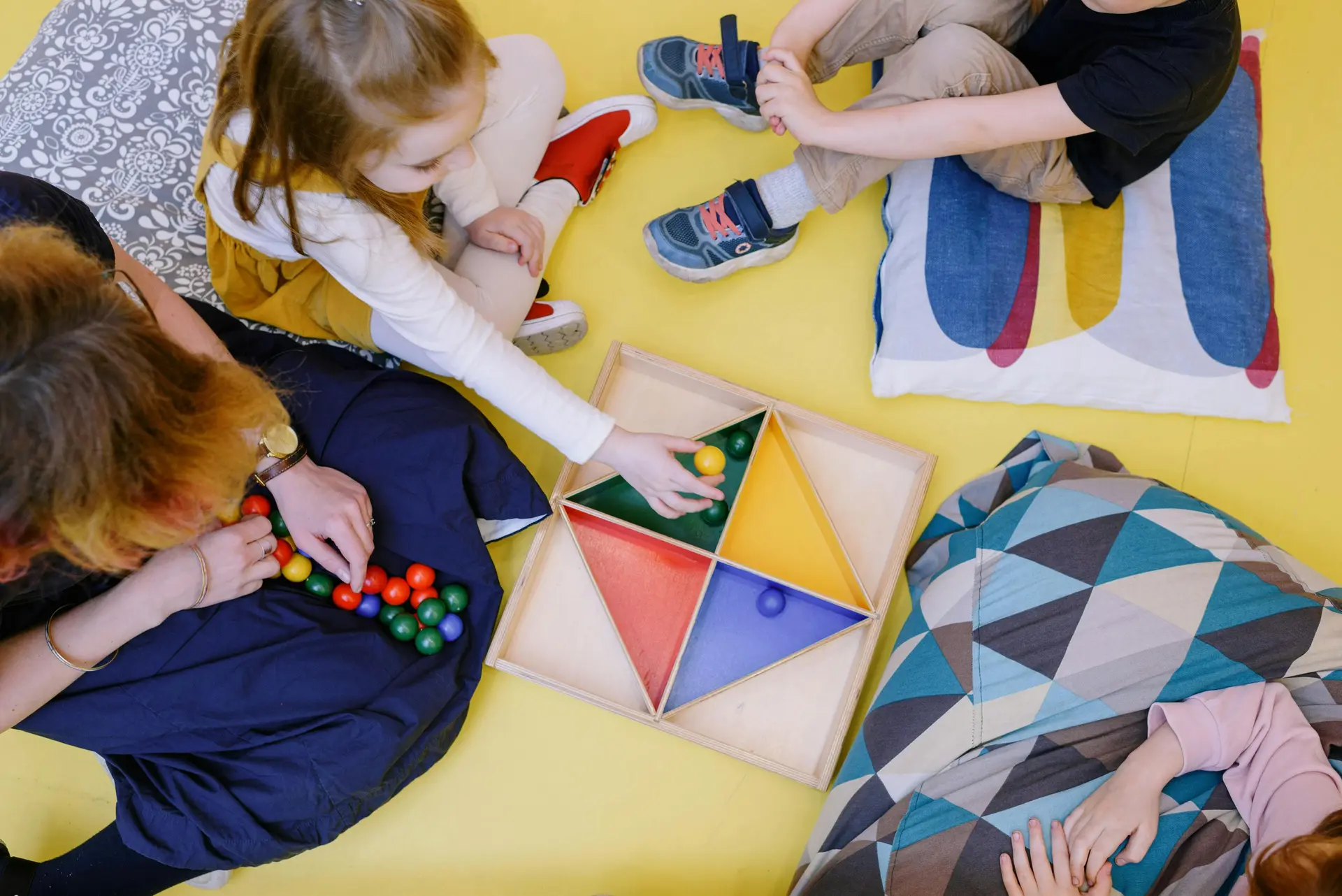
3. Developing Advanced Social Skills and Emotional Intelligence
While academic preparation is crucial, success in life depends equally on our ability to navigate relationships, collaborate effectively, and understand our own emotions. Montessori education excels in developing these critical social-emotional competencies through its unique mixed-age classroom structure and emphasis on community.
The Power of Mixed-Age Learning
Unlike traditional schools that group children strictly by birth year, Montessori education typically combines students across three-year age spans. At Greenfield Public School, our Montessori classrooms bring together children aged 3-6, creating a dynamic community where younger students learn from older ones, and older students reinforce their knowledge by teaching concepts they’ve mastered.
This structure mirrors real-world social environments more accurately than same-age grouping. Children learn to collaborate with peers at different developmental stages, developing patience when working with younger children and confidence when mentored by older ones. The classroom becomes a genuine community where cooperation replaces competition as the dominant social dynamic.
Grace, Courtesy, and Conflict Resolution
Montessori education explicitly teaches “grace and courtesy”—practical social skills that many assume children will simply absorb. Students learn to greet visitors politely, navigate conflicts respectfully, and move through shared spaces with awareness of others. When disagreements arise, teachers guide children through resolution processes rather than imposing solutions.
This emphasis on emotional intelligence produces adults who excel in collaborative workplaces, build lasting relationships, and demonstrate empathy in their communities. In an increasingly interconnected world, these “soft skills” often determine professional advancement and personal fulfillment more than technical knowledge alone.
Our graduates at Greenfield Public School System frequently report that their Montessori foundation helped them navigate the social complexities of secondary school and university with unusual confidence and maturity.
4. Building Strong Academic Foundations Through Hands-On Learning
Critics sometimes mistakenly assume that Montessori education prioritizes social development at the expense of academic rigor. In reality, the Montessori method produces exceptional academic outcomes precisely because it aligns with how young brains actually develop.
Concrete to Abstract: The Montessori Progression
Montessori education recognizes that young children learn best through direct sensory experience. Before introducing abstract mathematical symbols, students manipulate physical materials—counting beads, arranging rods, exploring geometric shapes. This concrete foundation makes abstract concepts meaningful when they’re introduced later.
Consider mathematics: a child in our Greenfield Public School Montessori program might spend months working with the “golden beads” material, physically combining units into tens, tens into hundreds, and hundreds into thousands. When they eventually encounter place value on paper, the concept isn’t mysterious—it’s simply a representation of what they’ve already experienced physically.
Comprehensive Curriculum Scope
The Montessori education curriculum encompasses far more than many parents realize. Beyond mathematics and language, students explore botany, zoology, geography, history, art, and music through hands-on materials that make complex concepts accessible. The famous Montessori “cosmic education” curriculum presents knowledge as interconnected, helping children understand their place in the universe and their responsibility as global citizens.
This comprehensive foundation pays dividends throughout a child’s academic career. Students who complete Montessori programs typically enter primary school reading, writing, and performing mathematical operations well beyond their years. More importantly, they approach new subjects with confidence, viewing themselves as capable learners ready to tackle any challenge.
Research confirms these observations. Studies consistently show that Montessori education students outperform peers on standardized tests, demonstrate greater creativity, and maintain higher academic engagement throughout their schooling.
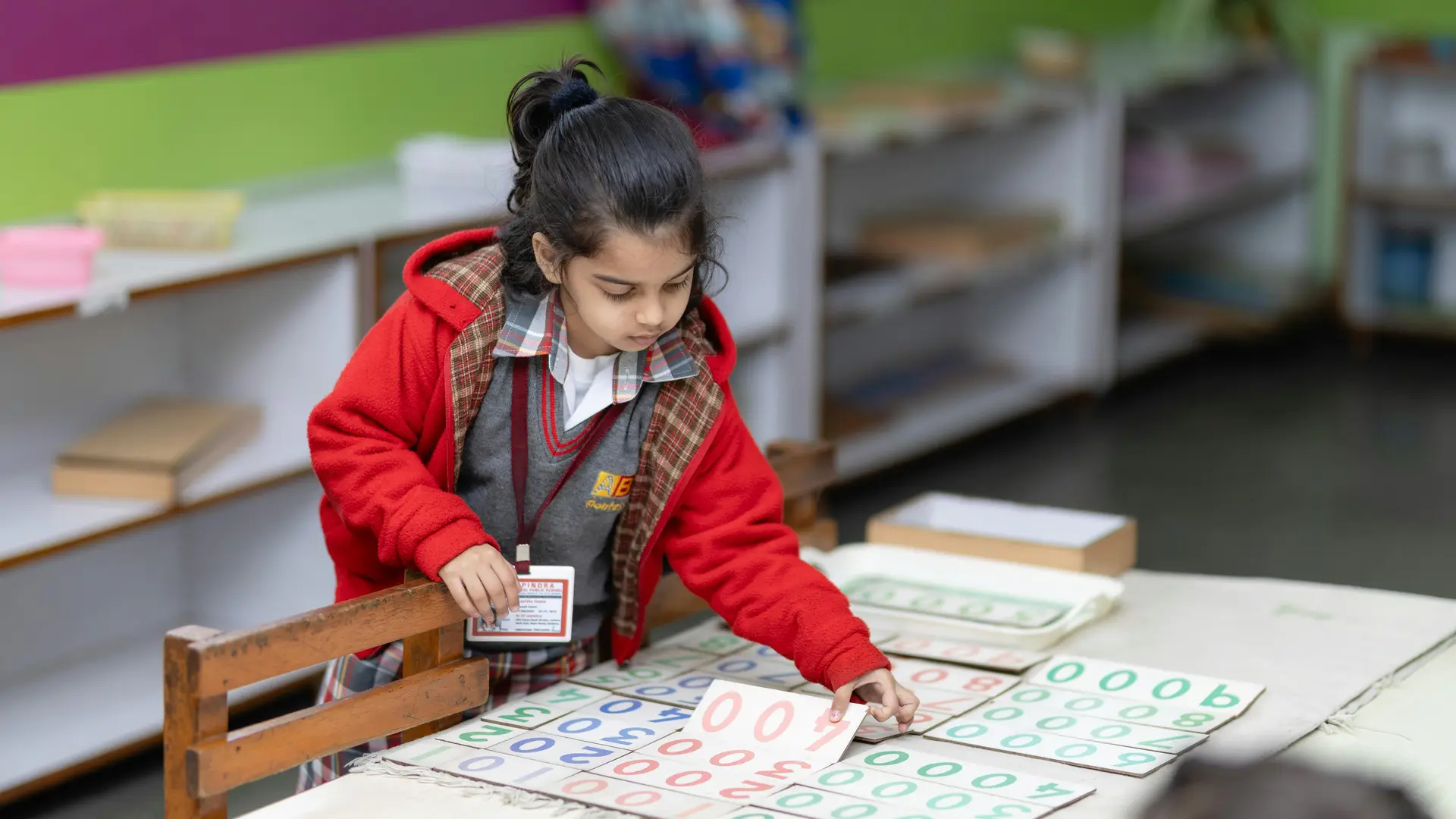
5. Nurturing Creativity, Critical Thinking, and Adaptability
In an era of rapid technological change and economic uncertainty, the skills that matter most aren’t specific facts or procedures—they’re the ability to think creatively, solve novel problems, and adapt to changing circumstances. Montessori education systematically develops these capabilities from the earliest years.
Freedom Within Structure
The Montessori approach provides what might seem like a paradox: freedom within boundaries. Children choose their activities, but from a carefully prepared selection of developmentally appropriate options. They work at their own pace, but within a structured environment that encourages sustained concentration.
This balance produces what creativity researchers call “divergent thinking”—the ability to generate multiple solutions to open-ended problems. When a Montessori education student encounters a challenge, they don’t look immediately to authority for answers. They experiment, test hypotheses, and persist through trial and error. This scientific mindset serves them in every domain of life.
Preparation for an Unknown Future
We cannot predict what careers will exist when today’s Montessori children enter the workforce. Many will pursue professions that haven’t been invented yet, using technologies we can’t currently imagine. In this context, specific knowledge matters less than the capacity for continuous learning and adaptation.
Montessori education prepares children for this uncertain future by teaching them how to learn. Students develop metacognitive awareness—understanding their own learning processes—and the confidence to approach unfamiliar challenges systematically. They become, in essence, professional learners equipped for lifelong growth.
At Greenfield Public School System, we view our Montessori program as the essential first phase of a continuous educational journey. The independence, curiosity, social skills, academic foundation, and creative thinking developed in these early years provide the platform for everything that follows—from primary classes through matriculation and beyond.


Leave a Reply